Cooking Systems
Gas vs. Wood-Fired: Which Outdoor Kitchen Cooking System Fits Your Backyard
This is the first real decision in an outdoor kitchen design, and it shapes everything downstream — gas line sizing, chimney clearance, layout, even how the kitchen gets used week to week. Neither system is objectively better; they're built for different households.
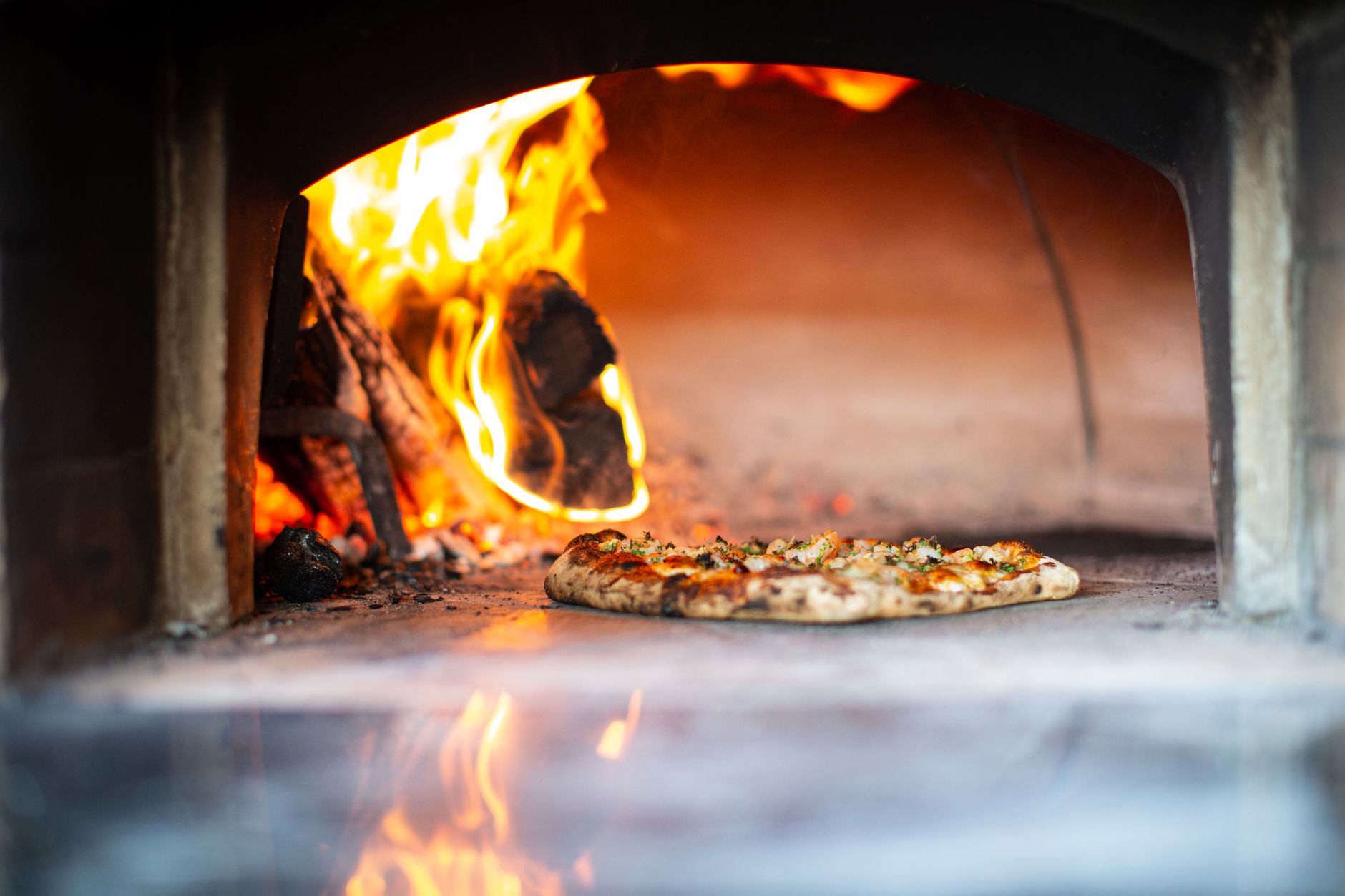
The honest comparison
- Startup time: Gas — under 10 minutes to cooking temperature. Wood-fired — 45 minutes to over an hour to reach full pizza-oven heat (700°F+).
- Heat control: Gas — precise, dial-adjustable, repeatable. Wood-fired — skill-dependent; you're managing fire placement and airflow, not a knob.
- Flavor: Wood-fired wins outright for live-fire and smoke character, especially on pizza and anything cooked at very high heat. Gas is closer to indoor-range flavor with grill marks.
- Maintenance and cleanup: Gas — wipe grates, occasional burner check. Wood-fired — ash removal after every serious burn, periodic flue and chimney inspection, and the oven dome needs to fully cool before cleanout.
- Upfront cost: Gas grill installed — $2,500-$6,000. Wood-fired oven — $6,000-$15,000+ depending on prefabricated insert vs. fully masonry-built.
- Ongoing fuel cost: Gas — a natural gas line run essentially eliminates fuel cost (it's on the home's gas bill); propane runs $20-$40 per tank exchange. Wood-fired — hardwood or oven-specific fuel runs $8-$15 per burn session at typical usage.
- Clearance and ventilation: Gas — standard combustible-clearance rules, no chimney needed. Wood-fired, especially a pizza oven — needs a proper flue and chimney with adequate clearance from any roof overhang or covered structure, and enough open space above it that smoke doesn't bank back down onto a patio.
Which fits a weeknight-cook family
If the outdoor kitchen's main job is Tuesday-night burgers and quick weekend breakfasts, gas is the better fit almost every time. The ten-minute startup and dial-in heat control matter more day-to-day than flavor ceiling, and there's no ash to deal with before the kids' bedtime.
Which fits a weekend-entertaining household
If the outdoor kitchen is built around hosting — a Friday-night pizza party, a slow weekend cook — a wood-fired oven earns its keep as the centerpiece. It's also a social feature in a way a grill usually isn't; people gather around it while the fire builds.
Why many St. Louis builds run both
A gas grill for daily cooking plus a wood-fired pizza oven as an anchor feature is one of the most common configurations we see in full outdoor kitchen builds across the metro. It covers the weeknight-usability gap of a wood-fired-only kitchen while still giving the household the entertaining centerpiece. The tradeoff is footprint and budget — running both systems means sizing a bigger gas line from the start (so a future oven addition doesn't require re-trenching) and planning chimney clearance into the layout from day one, not as an afterthought.
The gas line sizing mistake
The single most common regret we hear: a homeowner installs a grill-only gas line sized for just the grill, then adds a wood-fired appliance or second burner later and has to re-trench and upsize the line — cutting into finished patio or hardscape that was just installed. If there's any chance of a second appliance down the road, it's worth pricing a larger line from the start.
Get a design matched to how you actually cook
Get My Free Design Match →Related: Cost Guide · Permits in St. Louis County · Full FAQ